Drainage issues can cause major headaches in any community. Figuring out who’s responsible for fixing them can be just as frustrating. If you live in an HOA-managed property, responsibility often falls on either you as the homeowner or the HOA itself. The difference usually comes down to where the issue is and what caused it.
Let’s break it down so you know what to expect before the next big rain.
When the Problem Is Yours (Homeowner Responsibility)
As a homeowner, you are generally on the hook for anything within the boundaries of your individual unit. That includes:
Interior Plumbing
If the pipes serve only your home, such as those under your sink or behind your walls, you’re responsible. This also includes damage caused by appliances like your washing machine or dishwasher.
Private Drainage Areas
If your property has a small ditch, swale, or drainage pipe that does not connect to a shared system, it’s up to you to maintain and clear it.
Exterior Surfaces
You may also be responsible for windows, exterior walls, and other surfaces tied only to your unit. If clogged gutters or improper caulking lead to drainage issues, it is your responsibility to fix them.
When It’s the HOA’s Job (HOA Responsibility)
Your HOA typically covers anything considered a shared element or part of the community infrastructure.
Shared Plumbing Systems
Main water and sewage lines that serve multiple units are usually managed by the HOA. If a pipe bursts that connects several townhomes, you likely will not be responsible for the repair.
Common Areas
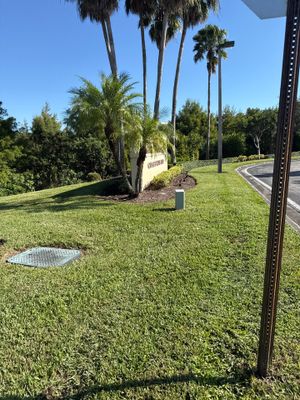
Drainage problems in shared spaces such as green belts, community storm drains, parking lots, or retention basins fall under the HOA’s jurisdiction.
Building Exteriors and Roofing
Damage to roofing or siding that affects more than one unit is typically the HOA’s responsibility. If faulty drainage is caused by poor roof design, the HOA is responsible for resolving the issue.
Don’t Forget These Important Factors
Even with general rules, a few factors can shift responsibility in either direction:
Check the Governing Documents
Your HOA’s CC&Rs (Covenants, Conditions and Restrictions) and bylaws define who handles what. Some HOAs assume more responsibility, while others place more on homeowners.
Follow the Source
The root cause of the problem is important. If the drainage issue started in your home and has not affected anyone else, it is probably your responsibility. If it comes from a shared system or another unit, the HOA likely needs to step in.
Insurance Coverage
Both you and the HOA should carry insurance to handle water-related issues. Your homeowner’s policy may cover internal damage, while the HOA’s master policy typically covers shared or external components.
Quick Tip: If you are unsure who is responsible, do not guess. Start by reviewing your HOA documents and reaching out to your board or property manager.
Need Help Navigating Your HOA Rules?
Green Image helps HOA communities and homeowners resolve maintenance disputes, interpret CC&Rs, and manage repairs efficiently. If drainage problems are making waves in your community, we are here to help.
📞 Contact Green Image for guidance on inspections, repairs, and HOA compliance across your property.