Artificial grass is a practical, low-maintenance alternative to natural lawns, but how long does it really last in South Florida’s unique climate? Between the relentless sun, heavy rains, and high humidity, outdoor surfaces can take a beating. If you’re tired of constant lawn upkeep or worried about durability, this blog will break down how long synthetic turf lasts, what factors affect its lifespan, and how to ensure it looks great for years.
Understanding Artificial Grass Longevity in South Florida
When installed and maintained correctly, synthetic grass can last an impressive 15–20 years. According to the Synthetic Turf Council, most high-quality synthetic turf products retain their structural integrity for at least 8–10 years in heavy-use scenarios. This longevity is a game-changer for South Florida homeowners, considering the tropical climate’s impact on outdoor surfaces.
South Florida’s weather adds a layer of complexity. The combination of scorching sun and periodic torrential rains accelerates wear and tear on natural grass. Artificial grass resists fading and deterioration far better with its UV-resistant fibers and durable design. But how does this durability hold up long-term? Let’s dive into the factors that give artificial turf its edge.
Factors That Help Synthetic Turf Outlast Natural Lawns
Artificial grass is built to endure the challenges that natural grass cannot. A closer look reveals why it’s such a resilient choice for South Florida’s climate. It combines technology and thoughtful design to ensure long-term performance.
UV Protection
Artificial turf is designed with UV inhibitors to shield its fibers from the sun’s intense rays. Unlike natural grass that fades or browns in direct sunlight, synthetic grass maintains its vibrant green color, even after years of exposure. This protection ensures the grass looks lush and vibrant throughout the year.
High-Quality Backing Materials
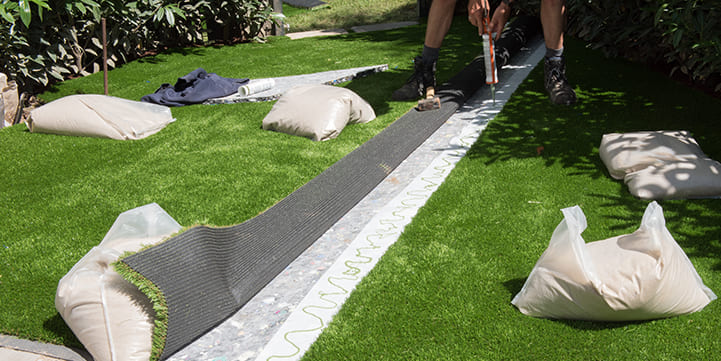
The backing of synthetic turf plays a critical role in its durability. Premium products use polyurethane or latex backings, ensuring the grass holds up under heavy foot traffic and water exposure without degrading or coming loose. This solid foundation is what keeps the turf strong and functional for decades.
Drainage Efficiency
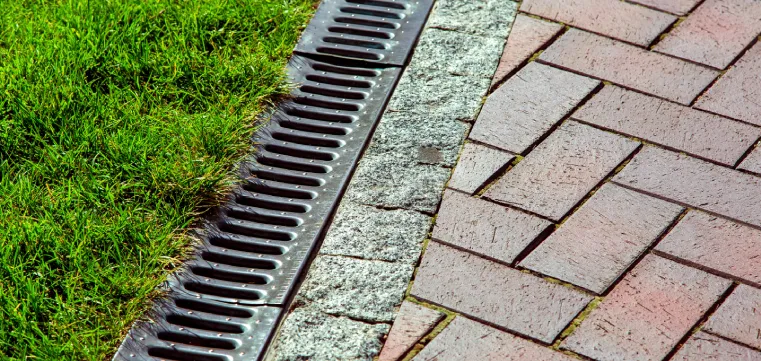
South Florida’s frequent rain storms can cause water pooling on natural lawns, leading to root rot and muddy patches. Artificial turf is equipped with advanced drainage systems that prevent standing water, protecting its structure and appearance. This feature ensures the grass remains dry and usable shortly after rain.
Infill Selection
The right infill, such as silica sand or rubber, enhances synthetic grass’s lifespan by cushioning, preventing matting, and reducing fiber wear. It also helps the turf stay cool, essential in Florida’s hot climate. The right infill ensures your turf performs well under different conditions.
Resistance to Pests and Weeds
Unlike natural lawns, artificial turf doesn’t attract pests or allow weeds to grow. This reduces the need for harmful pesticides and herbicides, helping the material last longer. This makes it an eco-friendly and low-maintenance alternative.
Minimal Maintenance Needs
Routine upkeep for artificial turf is minimal. Brushing the surface, removing debris, and occasionally rinsing it keep it in top shape without the intensive labor natural grass requires. This makes it ideal for homeowners looking to save time and energy.
These factors ensure artificial grass remains a long-lasting, eco-friendly choice. But how can you maximize its lifespan? Let’s explore some practical tips.
Tips to Make Your Artificial Turf Last Longer
Caring for synthetic turf isn’t complicated, but these simple steps can significantly extend its life. Regular maintenance not only keeps it looking fresh but also helps preserve its structural integrity. With a little effort, you can enjoy a vibrant, hassle-free lawn for years to come.
- Clean Regularly: Rinse the grass every few weeks to remove dirt, pollen, and debris, especially after heavy rains or storms.
- Brush the Fibers: Use a soft-bristled brush to fluff the fibers and prevent them from matting, keeping the turf natural and lush.
- Check for Damage: Inspect the turf for any signs of wear, tears, or loose edges, and address issues promptly to avoid further damage.
- Protect from Heat Sources: Avoid placing grills, fire pits, or reflective surfaces near the turf, as excessive heat can melt the synthetic fibers.
- Use Appropriate Infill: Choose infill materials suitable for your specific climate and needs, such as cooling infill for hot areas.
- Limit Heavy Loads: Avoid parking vehicles or placing heavy equipment on artificial turf to prevent compression and long-term damage.
Following these tips ensures your turf remains in excellent condition. But how do you know when it’s time for a replacement?
Signs That Your Artificial Turf Needs Replacement
Even the best synthetic grass has a lifespan. Over time, wear and tear can affect its appearance and functionality, reducing its overall appeal. Identifying these signs early can help you plan for a timely replacement. Here are the telltale signs it’s time for a replacement:
- Fading or discoloration despite UV protection.
- Frayed or thinning fibers that compromise its appearance.
- Persistent odors from trapped debris or pet waste.
- Drainage issues causing water to pool on the surface.
- Visible seams or detachment from the backing.
When it’s time to upgrade, trust Green Image for top-quality artificial turf installations that stand the test of time. With our expertise, you can ensure a seamless transition to a fresh, vibrant lawn.
Advantages of Artificial Turf
Switching to artificial turf offers numerous benefits beyond longevity. It’s an eco-conscious choice that saves water and reduces the need for harmful chemicals. Plus, its durability makes it perfect for active households and harsh climates. Here’s why it’s a smart investment:
- Low Maintenance: Spend less time mowing, watering, or fertilizing.
- Eco-Friendly: Reduces water usage and eliminates the need for harmful chemicals.
- All-Weather Usability: Looks great and functions well in rain or shine.
- Pest-Free Zone: No more worrying about bugs or rodents damaging your yard.
- Durability: Withstands heavy traffic, making it ideal for kids and pets.
With so much to offer, artificial turf is a worthwhile option for homeowners seeking convenience and longevity.
Make the Switch to Artificial Turf Today!
Synthetic grass is a reliable, cost-effective solution for South Florida’s unique climate. By understanding its longevity, caring for it properly, and knowing when to replace it, you can enjoy a beautiful, hassle-free lawn for years. Ready to make the switch? Contact us today for a consultation!
Frequently Ask Questions
Does artificial grass get hot in South Florida’s sun?
Yes, synthetic grass can get warm, but cooling infill or occasional watering can help keep it comfortable to the touch.
Can artificial turf withstand hurricanes or tropical storms?
High-quality artificial turf is designed to drain efficiently and resist detachment during heavy rains or high winds, making it suitable for Florida’s weather.
Is artificial grass safe for pets?
Absolutely! It’s non-toxic, durable, and easy to clean, making it a pet-friendly option.
How much maintenance does artificial turf require?
Minimal maintenance is needed—regular rinsing and occasional brushing will suffice to keep it looking fresh.
Can synthetic turf increase my property value?
Yes, artificial turf can enhance curb appeal and attract buyers looking for low-maintenance landscaping options.