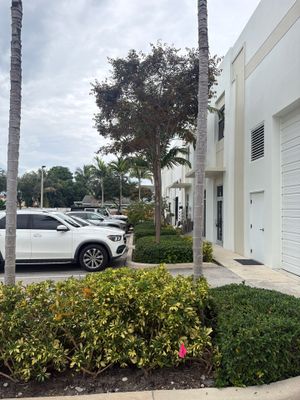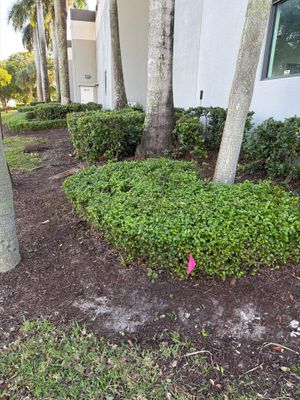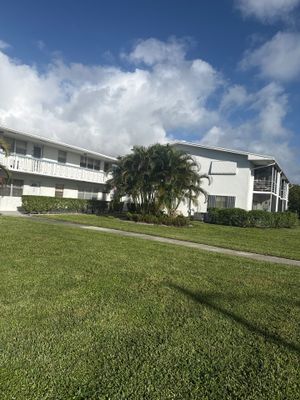
Palm Beach County lawns keep growing in winter and speed up in the rainy season, so a property that looks fine on Monday can draw a complaint by Thursday. Weekly visits in the growing season and every other week the rest of the year keep cuts ahead of growth and give you a record to hand the board.
The Thursday call about shaggy grass
You walked the property on Monday and it looked pristine. At 7:43 on Thursday morning your phone rings, because board members are already walking the grounds before the monthly meeting. The grass is shaggy, the hedge lines have pushed past their borders, and someone has noticed brown patches across the main lawn.
You are the person who has to explain it, and the explanation usually starts with the calendar. In this county the grass does not wait for your next scheduled visit. Because the property’s appearance is how a board judges your management, a shaggy Thursday reads as a management problem even when the cause is simply the growth rate.
Why the grass keeps growing in winter
Sandy soil, intense summer heat and a nearly year round growing season mean South Florida grass does not get the winter break that northern properties get from mowing. St. Augustine and Bahia grow continuously, so they need regular attention in January as well as July.
The soil adds a second issue. Sandy soil drains quickly and nutrients wash out with the water, so a lawn that was green in February can be patchy and thin by April when feeding is inconsistent. That thin lawn is the one your board drives past.
For property managers: our free Guide to Managing Landscaping Vendors has 93 pages and 11 templates for running your landscape vendor. Get the free guide
What the rainy season does to your schedule
Once afternoon thunderstorms begin in earnest, St. Augustine can grow 3 inches in a single week, and the county gets 60% of its annual precipitation between May and October. Because those storms are hard to predict, the schedule has to bend around the weather. In practice that means:
- Mowing around sudden downpours instead of skipping the cut or mowing saturated turf
- Modifying irrigation during the wet months to prevent overwatering
- Weekly visits through peak growth, since growth is fastest when the afternoon storms arrive
- Trimming hedge lines before they pass their borders, not after a board member points them out
Board members who drive through after work see the property on Friday, not on the day it was cut. That is why weekly service in the growing season matters more to you than it does to the crew’s route.
Why winter service still counts
Cool spells in winter end quickly, and growth comes back with little warning. A property that goes quiet in December can be behind by the time you notice. Keeping every other week visits going through the cooler months holds the service interval steady, so you schedule ahead of visible growth and not after the first complaint.
How the coast changes the plan inside one county
Properties within 10 miles of the coast face added stress from salt spray, which can call for different fertilizer blends and more frequent washdowns of plant material. A routine that works well in Boca Raton may need real adjustments for a property in Wellington. If your properties sit on both sides of that line, one generic schedule will fit one of them.
What skipped service costs beyond appearance
When service slips in the growing season, the consequences show up in places you answer for:
- Overgrown areas become breeding grounds for mosquitoes and pests
- Drainage systems clog with grass clippings and debris
- Chinch bugs and fungal problems can spread quickly in the humid climate without regular monitoring
- Insurance inspectors notice unmaintained common areas during their walkthroughs
Chinch bugs and fungus are where a maintenance line item turns into a renovation, which is a bill nobody budgeted for and one you have to explain.
What to ask your lawn care vendor to put on paper
Boards here often come from corporate backgrounds, so board meetings and management reports call for evidence of what was done. A vendor who adjusts to actual property conditions instead of a generic schedule should be able to give you:
- Before and after photos from the visit
- Service reports that say what was done and what needs attention next
- Advance word on seasonal adjustments, before problems develop
- Working knowledge of the irrigation restrictions, fertilizer ordinances and HOA architectural guidelines that apply, since they vary between municipalities and communities
With those in your file, the next time a board member calls on Thursday you can say when the property was cut and what is scheduled next, instead of hearing about it from them first.
Get a Quote: we walk your property and send a written proposal with photos within 72 hours.