Quick Answer
Walk the sites with a history of standing water first, then the ones with large trees near buildings and parking. NWS Miami expects above normal rain this dry season, with higher flood risk. Rank each property by past ponding, drain condition and tree exposure, so you can tell your owners which sites need work before the first heavy rain.
What is different about this winter for South Florida properties?
NWS Miami expects above normal rainfall this dry season, with a higher risk of floods and severe weather, tornadoes included. It also says the El Niño could match or exceed the 1997 and 1998 event, according to WFLX.
That matters to you because the dry season is when drainage work usually slips down the list. This winter, the order of work changes. If a tenant’s lot sits under water after a rain the forecast warned about for weeks, your owner will ask why you had no list of at risk sites. The answer is to build that list now.
For property managers: our free Guide to Managing Landscaping Vendors has 93 pages and 11 templates for running your landscape vendor. Get the free guide
How do you rank which properties to walk first?
Rank every site in three tiers, so you can show an owner exactly why each property sits where it does.
- Tier 1: any site with past ponding or tenant complaints about water.
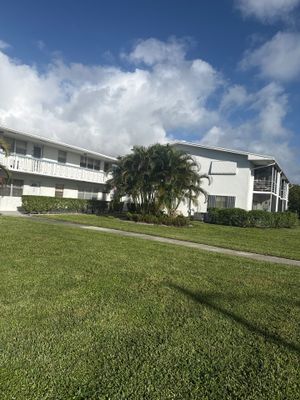
- Tier 2: sites with older catch basins, older French drains or flat parking areas.
- Tier 3: everything else.
Tier 1 gets walked first because the history already tells you where water goes. Tier 2 follows because age and flat grade are what turn a heavy rain into standing water. Tier 3 still gets a look, but the order is defensible, and that is what you will need when an investment committee asks why one site moved before another.
What drainage checks matter most before heavy rain?
Start with the parts of the system that clog quietly during months of dry weather. A crew can do these checks on a site walk:
- Clear debris and sediment from catch basin work locations and inlets, because a basin full of sand cannot take water.
- Check downspout outlets and the points where French drains empty, since a blocked outlet backs water up toward the building.
- Look for low spots where water stands after irrigation or a short shower, because those are the first places a lot will pond in a real storm.
The same walk should note how stormwater runoff moves across the site. Some findings can be corrected on the spot. Others need a closer look before anyone promises a fix, so the walk produces a written list of what was found and what it will take.
Which trees and palms need a look before severe weather?
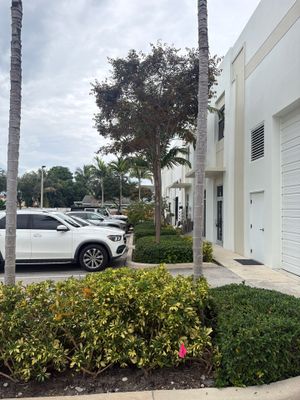
Start with trees over buildings and parking, because that is where a failed limb costs a tenant a car or a roof. Look for:
- Dead limbs hanging over roofs, walkways and parking stalls.
- Trunks that lean, especially ones that have started to lean since last season.
- Canopies that spread over buildings or cars and have grown heavy.
Wet soil makes all three worse, since saturated ground holds roots less firmly when wind arrives with a storm. Flagging these trees now gives you a list before the weather, not after.
What happens to slopes, lake banks, sod and mulch in a wet winter?
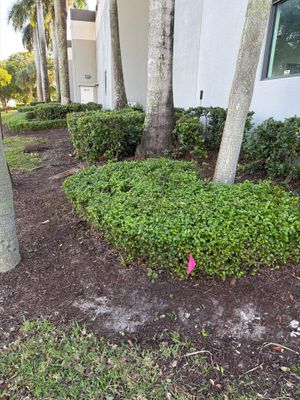
Heavy rain moves loose material first. Mulch slides off slopes, sod edges at curbs and lake banks lift or wash out, and bare soil near walkways turns to mud and runs onto pavement.
None of that is a structural failure. But a property with mulch in the parking lot and exposed soil along the entrance looks neglected once the rain stops, and that is what a visiting owner sees. Fixing washed out edges early keeps a wet winter from reading as a maintenance problem.
Who responds and who documents after a storm?
After a storm, your owner wants to know what happened at each site and who is handling it, and one company can answer both.
Green Image is a commercial landscape company that has maintained and installed landscapes on commercial properties across Palm Beach, Broward and Miami Dade for 14 years.
We handle hurricane and storm cleanup, including tree risk assessments and bucket truck work, along with the drainage and grounds work on the same property. Because that is one company, repairs move faster in practice. The crew that finds the clogged basin or washed out edge fixes it, so you are not waiting for a second contractor to schedule a visit.
Documentation follows the agreed reporting plan, with post storm site reports and photos, so each site has a record of what was found and what was done. Our post storm landscape assessment report post shows what that report answers for an owner.
Why would one vendor across several properties make this easier?
With one vendor you make one phone call, and every site comes back in the same format. That means you can send your owner the same report layout for each property instead of reformatting five vendors’ notes at night.
Faropoint uses Green Image as the single accountable grounds partner across seven of its South Florida industrial properties, with one standard and one point of contact for grounds, irrigation and drainage. If you manage a similar spread, our page for portfolio managers explains how that works.
How do you present one plan to your owners?
Give each site a one page plan. It should hold:
- The risk tier and the reason for it.
- What was checked on the walk.
- What is scheduled, and when it is planned.
- The point of contact for that site.
Put the pages together and you have one list for the whole portfolio. After the first storm, your investment committee sees the same layout for each property: what the storm did, what was done, and what remains. The owner’s question about the flooded lot now has an answer from a list you wrote before the rain.
FAQ
Should I walk every site before the first heavy rain?
Walk Tier 1 sites first, then Tier 2, then the rest as time allows. The ranking tells you which sites cannot wait.
Can a landscape vendor handle drainage and trees together?
Yes. We maintain the grounds, correct drainage with French drains, area drains and catch basins, and respond to storm damage on trees, so one company covers the problem and the repair.
Will a site walk tell me exactly what needs fixing?
It tells you what is visible and what the next step is. Some conditions need a closer look before a fix is scoped.
What should a post storm report show?
It should show what was found at the site, what was done and what still needs attention, with photos, according to the agreed reporting plan.
Get the free guide, sent to your inbox.